PHOTOLOG
Gallery/CURATED/0. AN ELEGY FOR THE DEATH OF HAMUN

0. AN ELEGY FOR THE DEATH OF HAMUN

25 photos

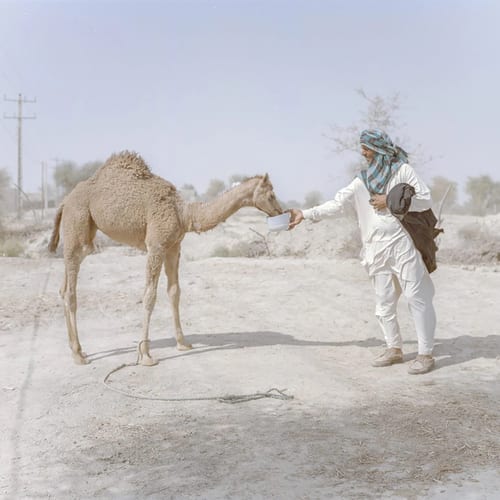
Dashtyari, region, Chaabahar, Balouchestan. Gholam is a 45-year-old man who owns only two camels; here he is giving water to a calf whose foot is strapped to the ground and who seems restless in waiting for his or her mother. The Houtgi (puddles from which the livestock drink water) have dried up this year. Lack of water has had a negative effect on the livestock and camels, as severe lack of fodder has made them grow thin and led to diseases among them. Drinking water here is haphazardly and occasionally brought by tanker. From the series 'An Elegy for the Death of Hamun' (2018), image © Hashem Shakeri
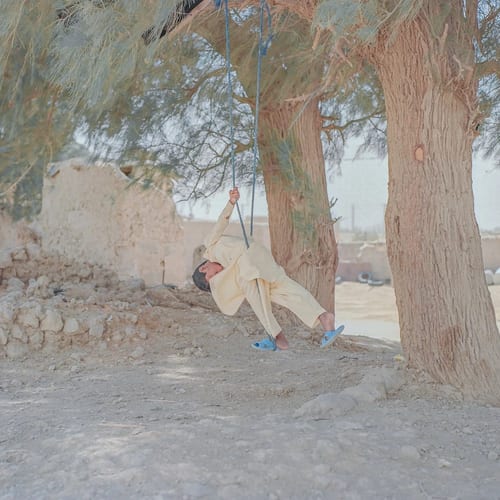
11KIDSWING.JPG
12GUYTREE.JPG
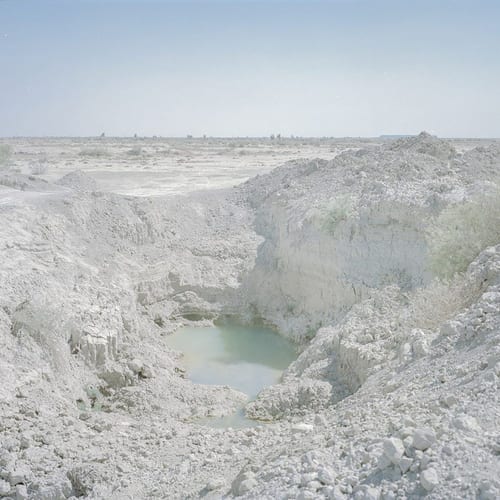
13LAKEMAP.JPG
15DEADPALMS.JPG
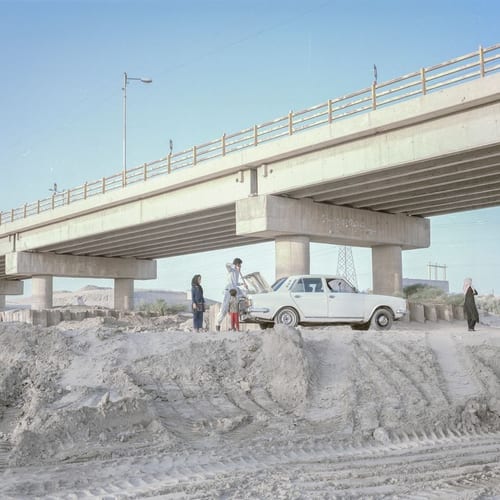
Nohrab Bridge, Zabol, Sistan. The river that flowed under this bridge was a branch of the Helmand River, and ran into the Hamun Lake. This region was full of water, even in the previous year, but is now completely dried up. A family is removing soil from the riverbed to use for their house garden. They believe that this soil is alluvial and beneficial to the growth of plants. © Hashem Shakeri
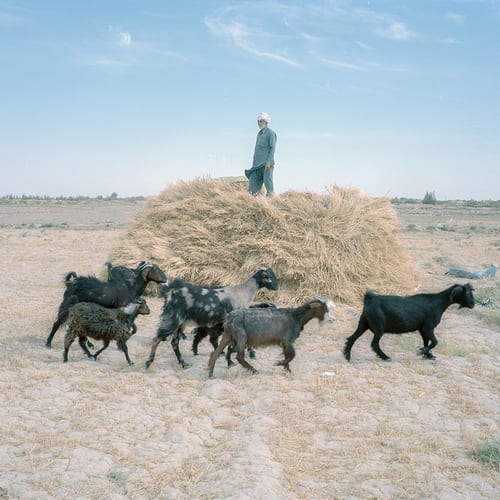
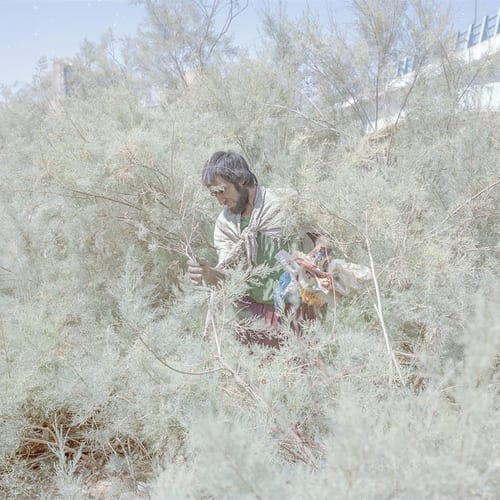
Nabi Sarani, 63 years of age, is a livestock holder and a farmer who lost many of his sheep this year after the severe drought, and only these few are left. However, he hopes to return to agriculture with the fresh water he acquired from a well he recently found. © Hashem Shakeri.
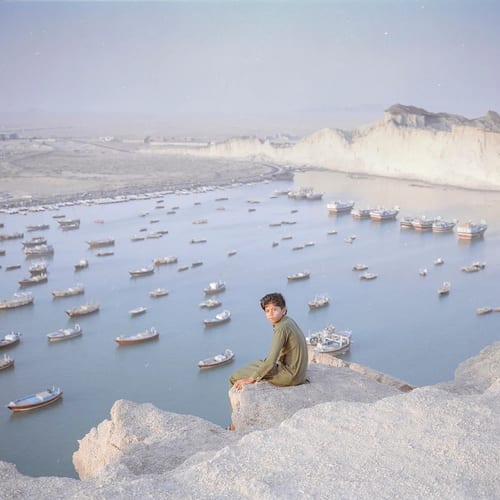
Hossein, a 13-year-old boy, is from Boris, Chaabahar. The natives in Boris are the oldest residents in Chaabahar. People of Boris live in hardship, poverty, and famine. However, most of the residents in Zabol, especially farmers and livestock breeders, after seeing their farms dried and their livestock lost, have decided to move to the tourist city, Chaabahr, which suffers from lack of water © Hashem Shakeri
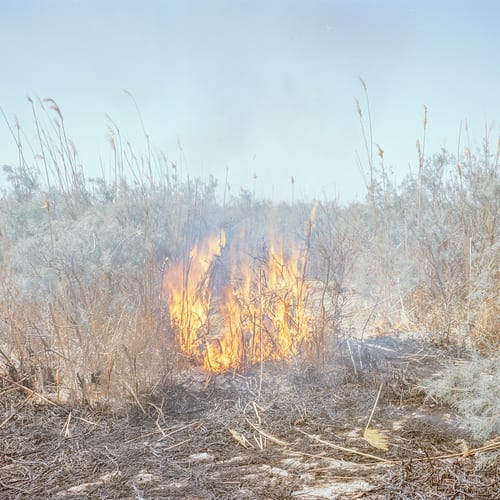
The reeds of the dried land in Hamun Lake automatically catch fire because of excessive dryness and hot sunlight, causing a huge fire in the dried land of the lake. The firefighter cars are there to extinguish the fires during hot seasons. © Hashem Shakeri
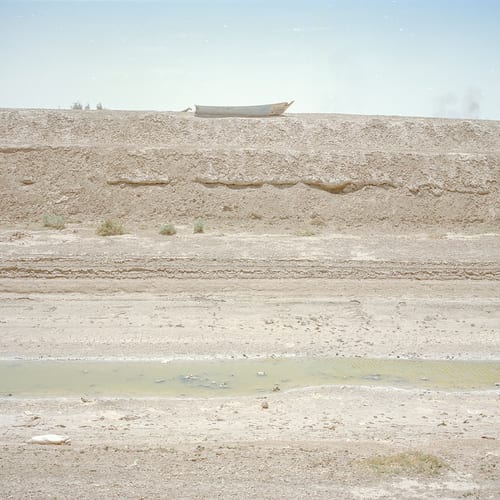
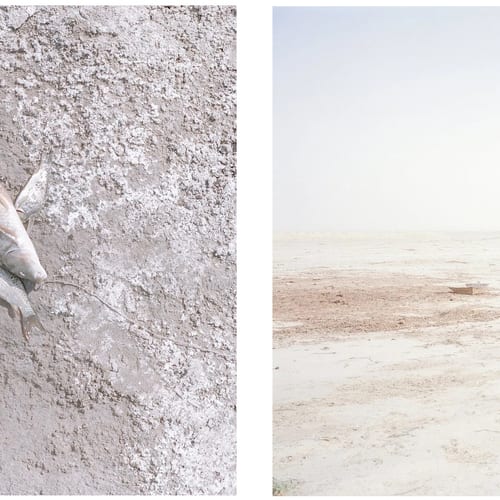
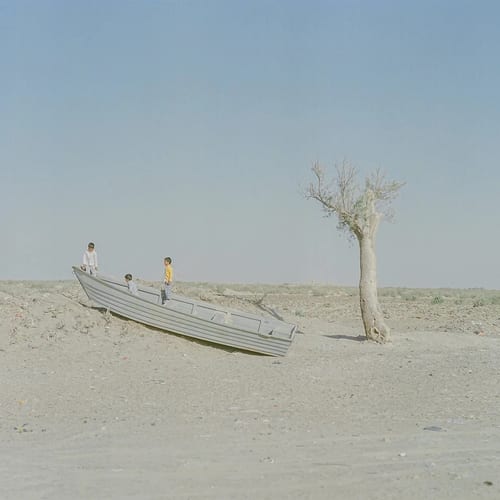
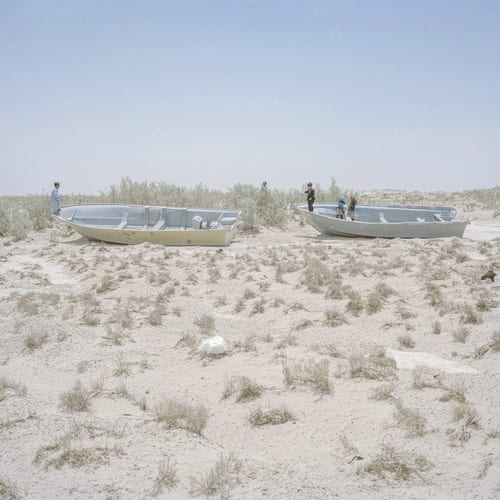
The Adimi, Dehno (new village), Sistan. Here is part of the Helmand water, which once entered the city for the use of people, but it is dried up now. The fishermen's boats are abandoned here. © Hashem Shakeri
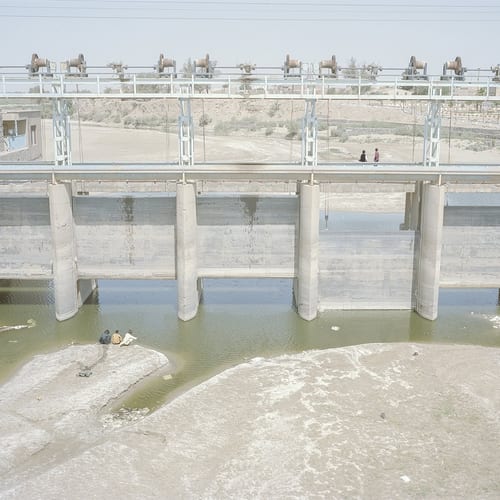
Hoveida, a 30 year old addict, lived next to the Zahak Dam, which was, until recently, full of water. It is now dried up, and only urban sewage flows through it, and it is full of garbage. At only 30 years old, Hoveida says that he is at the end of his rope and hopes to die soon. The Zahak municipality and city council are located are in the near surrounding area. © Hashem Shakeri
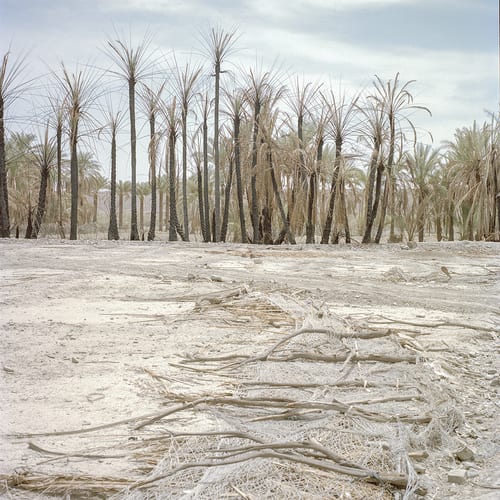
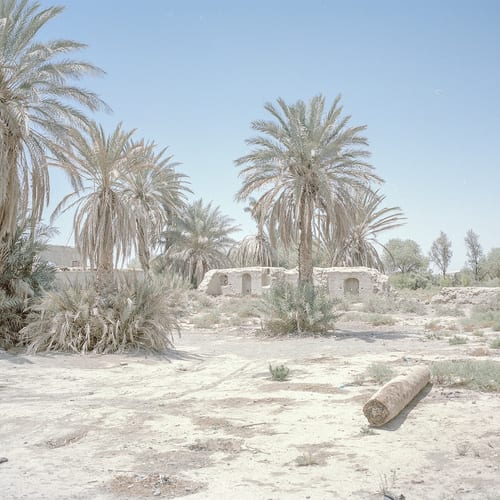
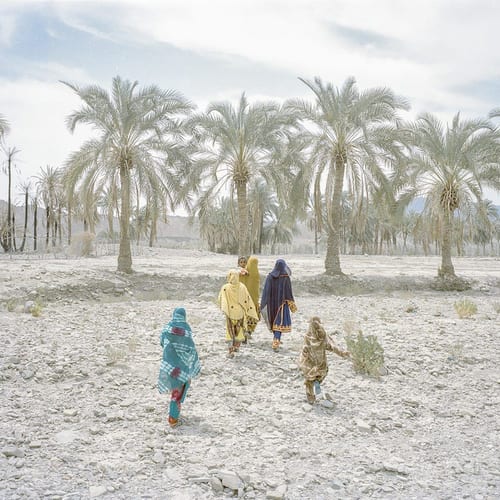
Severe lack of water and drought have caused the palm trees to dry out, and people have left their houses and moved to other cities because of unemployment and water crisis. Pelgi Village, Edimi Town, Sistan. © Hashem Shakeri
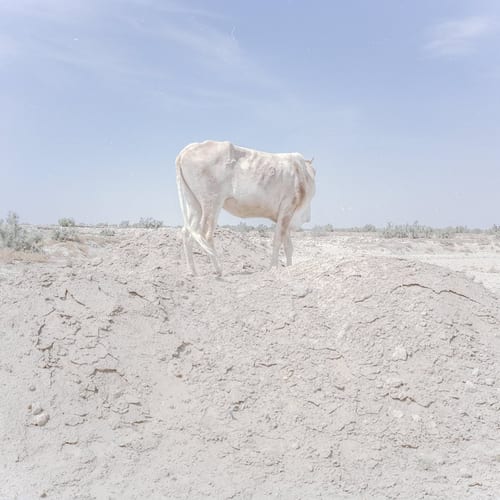
Zahak dam, Zahak. Sistan. Until last year, water ran under this dam, but now urban sewage runs through it. Some teenagers caught fish from this dirty water. These poor guys sell the fish and get money to buy bread for their family. Photo on the right: A Camel in a road toward Boris Harbor, Chaabahar, Balouchestan. © Hashem Shakeri
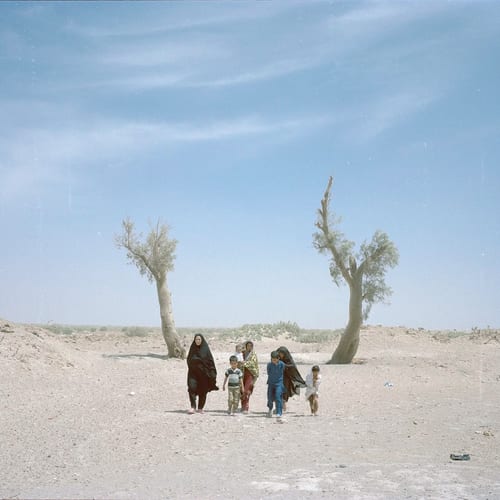
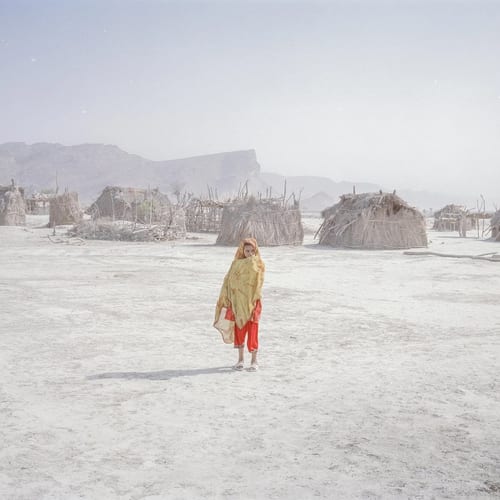
The Saravani family has lived in this region for more than 100 years. In the past, more than 500 families (3000 people) lived in the village, but now only 17 families have remained. At the time of the 120-day winds, this region is buried under the sand and dust, and living becomes a very difficult task for these people. Now they live on with the few livestock they have © Hashem Shakeri
Hashem-Shakeri11.jpg
Hashem-Shakeri13.jpg
Hashem-Shakeri14.jpg
ignant-photography-hashem-shakeri-an-elegy-for-the-death-of-hamum-12-1440x1234.jpg
ignant-photography-hashem-shakeri-an-elegy-for-the-death-of-hamum-15-1440x1234.jpg
ignant-photography-hashem-shakeri-an-elegy-for-the-death-of-hamum-7-1440x1234.jpg
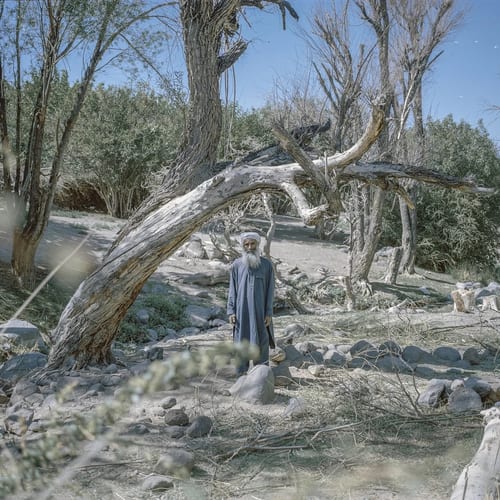
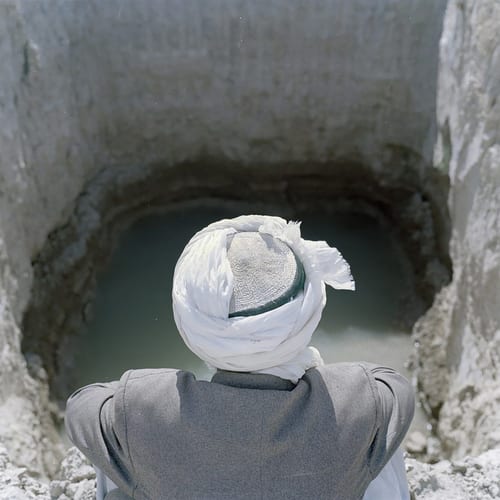
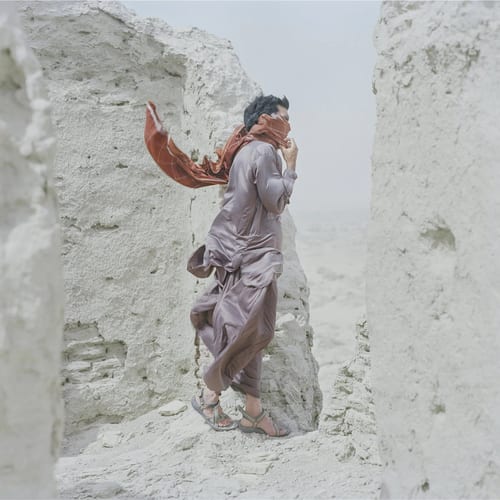
Mohammad, 42, at an abandoned mosque located at the heights of the former Takht Shah Village. From the series 'An Elegy for the Death of Hamun' (2018), image © Hashem Shakeri
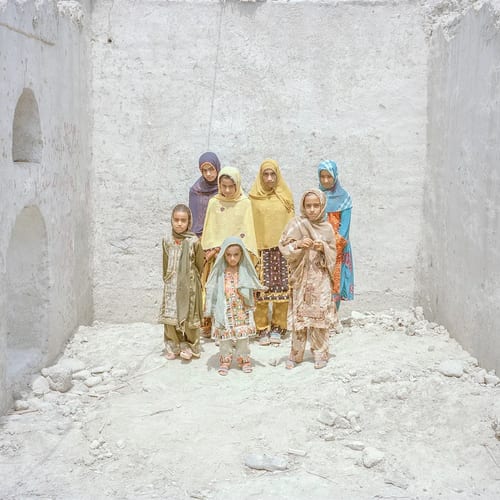
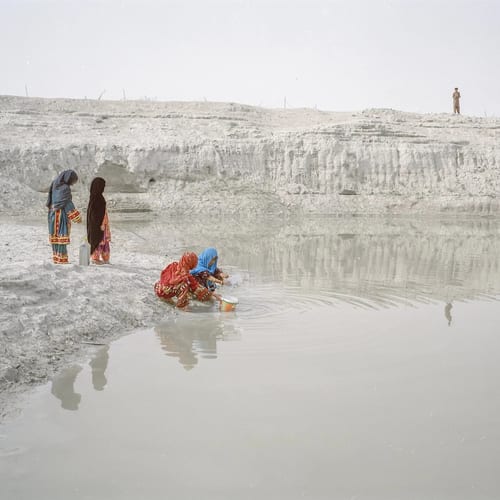
Choutani village, Dashtyari region, Cha’bahar, Balouchestan. Four girls from a family in Choutani village are taking water from a Houtag. “Houtags” are pits in which rain water has gathered; in Cha’bahar region, there are many Houtags, but during droughts their water is dirty and muddy. The livestock drink from this source of water and some of the families who are less well-off financially use this water to wash their clothes and do other daily chores. When they lack drinking water, they also have to take this dirty water, boil it, and use it. From the series 'An Elegy for the Death of Hamun' (2018), image © Hashem Shakeri
wlm_archive_contents_hashem-shakeri_03.jpg
wlm_archive_contents_hashem-shakeri_07.jpg
The Adimi, Dehno (new village), Sistan. Here is part of the Helmand water, which one entered the city and was used by the people, but which is now dried up. The fishermen’s boats are abandoned here and there in the dried land of the rivers and Hamun lagoon. From the series 'An Elegy for the Death of Hamun' (2018), image © Hashem Shakeri

© 2026 PHOTOLOG

Click photo to zoom · hover for details
Camera
Lens
Focal Length
Aperture
Shutter
ISO
Date Taken